Ultrafiltration Drinking Water System - Best Alternative to Reverse Osmosis with Excellent Filtration Performance
- 0.02 micron ultrafiltration removes contaminants and enhances water quality
- Unique feature to easily remove/loosen impurities from the membrane when it gets full - just turn a valve to purge the system
- No storage tank required means no bacteria growth and significantly less space required
- Maintains naturally occurring minerals for health & taste
- Zero waste water during the purification process
Ultrafiltration Drinking Water System - Best Alternative to Reverse Osmosis with Excellent Filtration Performance - No faucet / Dual Activated Carbon Filters is backordered and will ship as soon as it is back in stock.
Ultrafiltration Drinking Water System - Best Alternative to Reverse Osmosis with Excellent Filtration Performance
Premiere Ultrafiltration System - Amazing alternative to traditional reverse osmosis systems, the Watts Premier ZeroWaste reverse osmosis system, and other zero waste reverse osmosis systems.
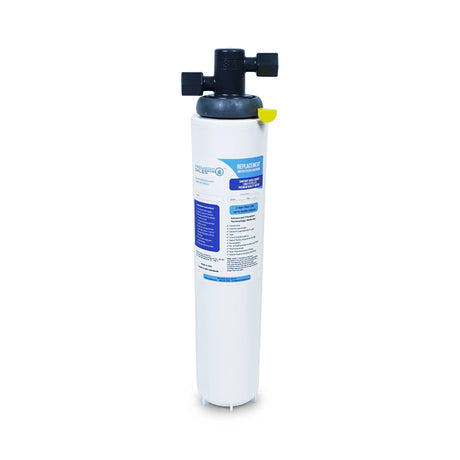
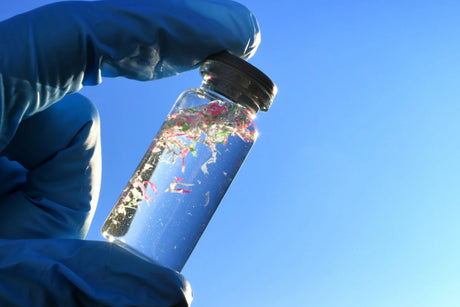
The Premiere ultrafiltration system (PS-PURUF) is a revolutionary undersink water filter! Ultrafiltration is highly efficient compared to reverse osmosis: it does not produce waste water during the filtration process. The PS-PURUF has a 0.02 micron ultrafiltration membrane removes particulates and solids like microplastics, bacteria, viruses, protozoa, and colloidal materials on a microscopic level. Ultrafiltration operates smoothly at low pressure; no pump or electricity required. This system produces water on demand with an outstanding flow rate of up to 1.5 gallons per minute. Innovative feature lets you easily backflush (clean) the UF membrane when it gets clogged with contaminants...you can't do this with other filters or membranes, they need to be replaced when clogged. Extra long membrane life up to 3 years. Maintains naturally occurring minerals for health and taste.
Traditional reverse osmosis systems produce 3 - 25 gallons of waste water per one gallon of RO water produced. Popular zero waste reverse osmosis systems like the Watts Premier zero waste reverse osmosis system do not waste water because they pump the waste water into the hot water plumbing instead of down the drain. This essentially means you are washing your hands, dishes, or cooking with contaminated wastewater. The ultrafiltration process does not produce waste water, period.
What's the difference between Dual Activated Carbon Filters and the Bone Char + Carbon Combo?
- Dual Activated Carbon Filters - Two (2) high performance 0.5 micron coconut shell activated carbon block filters that reduce volatile organic chemicals (VOCs), chlorine, chloramines, pharmaceuticals, pesticides, lead, trihalomethanes (THMs), methyl tertiary butyl ether (MTBE), and more.
- Catalytic Carbon Combo - One (1) catalytic carbon filter that is highly effective at reducing fluoride and heavy metals like arsenic, lead, cadmium, mercury, iron, copper, zinc, aluminum, nickel, radio-nuclides, radioactive isotopes, and more. One (1) 0.5 micron activated coconut shell carbon block filter.
- Zero waste water during the purification process. A conventional reverse osmosis system may waste 3 - 25 gallons of water to produce one gallon of reverse osmosis water. This system is revolutionary in that is does not waste water in the production of purified water.
- Preserves healthful minerals in drinking water. One downside of reverse osmosis is that they remove naturally occurring and healthful minerals- the PS-PURUF ultrafiltration system leaves these healthful minerals in the water.
- No storage tank. The PS-PURUF is compact and delivers healthy water on demand (up to 1.5 GPM). More significantly, it is common for bacteria to grow inside RO storage tanks (they literally become "incubators" for bacteria) so ditching the storage tank means you're not drinking harmful bacteria. The PS-PURUF is therefore superior to the Watts Premier zero waste reverse osmosis system which requires a storage tank
- 0.02 micron UF membrane – Filters out solids / particulates as small as 0.02 micron including: microplastics, bacteria, protozoa, cysts, viruses, algae, dirt, mold, silt, colloidal silica, clay, iron, sand, lead particulate, and more.
- Some RO systems may actually introduce bacteria to your drinking water because bacteria can grow and spread on low-quality RO membranes. Enjoy peace of mind that the PS-PURUF contains a membrane that removes bacteria (over 99.9999%), viruses (over 99.99%), and giardia & cryptosporidium (over 99.95%) from your drinking water with no bacteria growth on the membrane. This system provides more than a 5-log reduction of bacteria, cysts, viruses, and turbidity. In other words, bacteria, cysts, viruses, and turbidity have been reduced 100,000-fold.
- It also features high performance 0.5 micron coconut shell carbon block filters that reduce volatile organic chemicals (VOCs), chlorine, chloramines, pharmaceuticals, pesticides, lead, trihalomethanes (THMs), methyl tertiary butyl ether (MTBE), and more. 2,000 gallon capacity. The Watts Premier zero waste reverse osmosis system only filter to 5 microns meaning that far more contaminants remain in the water compared to the PS-PURUF.
- Optional: Fluoride reduction filter cartridge (+$70). Catalytic carbon is highly effective for reducing fluoride, arsenic, chlorine, chloramine, lead, cadmium, mercury, iron, manganese, copper, zinc, aluminum, nickel, radio-nuclides, radioactive isotopes, fertilizers, uranium, radium, pesticides and herbicides from water. 1 year filter life. If you select this option, you'll receive catalytic filter and one 0.5 micron coconut shell carbon block filter (AMF-CBCPB2) in your PS-PURUF system.
- This zero waste ultrafiltration system is the perfect product for California water use restrictions
- Works well at low water pressure
- Easily takes the place of outdated reverse osmosis (RO) and Ultra Violet (UV) water purification systems
- Change the water filters quickly, easily, and less often. Our high capacity filters only need to be changed after 2,000 gallons or once per year (whichever comes first). Other filters have far less capacity and need to be changed the filters twice per year which is time-consuming and costly.
- Back flushing membrane ensures longer water membrane life. When a membrane undergoes a backward flush, its pores are flushed inside out to clean it of contaminants. Innovative technology lets you flush (clean) the membrane whenever it gets full of contaminants. You can tell when it's time to flush the membrane because there will be a drop in water pressure. Simply turn the valve to flush the membrane (please note that a small amount of water will be discharged while the valve is open). Membrane should be replaced every 2-3 years.
- Easy plug-in installation if replacing an existing reverse osmosis system
- Size: 15.25" H X 15" W X 6" D
- Flow rate: 1 - 1.5 gallons per minute (depends on your incoming water pressure)
- Operating pressure: 35 psi - 85 psi
Special notes:
- Total dissolved solids (TDS): This product is NOT recommended for water with a high TDS level (over 500 ppm) or if you wish to reduce/remove TDS. The ultrafiltration process preserves healthful minerals (minerals make up TDS). If you have a TDS level above 500 ppm or wish to reduce/remove your TDS level, please keep in mind that only reverse osmosis and deionization will reduce and remove TDS in water. Here's a reverse osmosis drinking water system. Read about total dissolved solids.
- Taste: If you want to achieve “tasteless” water that is free from minerals and TDS, (i.e., how some bottled water tastes – or doesn’t taste, rather) you will want to consider reverse osmosis because ultrafiltration preserves healthful minerals and doesn't reduce or remove TDS, which can contribute to how your water will taste.
- Water softeners: Do not use the PS-PURUF with water softeners that use sodium (salt). This is because some water softeners make hard water “soft” by replacing the calcium and magnesium with sodium. These high levels of sodium break down the membrane.
- Filter life: The life of the UF membrane and filter cartridges may vary according to water quality, water usage, flow rate, and inlet line pressure which may require more frequent membrane flushing and replacement of the membrane and cartridges.
- Flow rate: May vary depending on water pressure, water temperature, local water conditions, and how full the membrane is.
- Additional parts: Since plumbing configurations can vary, you may need to supply additional parts or adaptors in order to connect this system to your plumbing.
Generally, this water filter system is easy to install whether you prefer to do it yourself or hire a local licensed plumbing professional. If you're replacing an existing under sink water filtration system such as a reverse osmosis, it makes installation even easier. Please see the installation instructions and if you have any questions, please don’t hesitate to contact us.
The ultrafiltration membrane should be flushed on a regular basis to ensure longest membrane life. To flush the membrane, simply turn the valve and leave open for up to 15 seconds to fully flush the membrane. A small amount of water will go to drain while the valve is open.
How often you flush the membrane will depend on your water conditions and water usage. Flush the ultrafiltration membrane at least once per month; some users may find they need to flush it a few times a month, weekly, or even daily.
In general, you will know it is time to flush the membrane when there is a consistent, noticeable drop in water pressure. At minimum, it still should be flushed at least once per month even if you do not notice any drop in water pressure.
The ultrafiltration membrane (PS-PURUF-MEM) should be replaced once every 2-3 years, and the activated carbon block replacement water filters (PS-PURUF-RC) should be replaced once per year, or after 2,000 gallons (whichever comes first).
Need Help?
If you have questions about the best way to solve your water problems, please get in touch.
Fast Delivery
We ship orders quickly from our location in Arizona and most arrive within 2 - 5 business days
It’s everything they said. Great tasting water, no water waste like osmosis systems and output is awesome!
we replaced our under sink water filter with the new PS-PURUF filter. We love how clean and pure the water is, and how much quicker it fills up our water bottles.
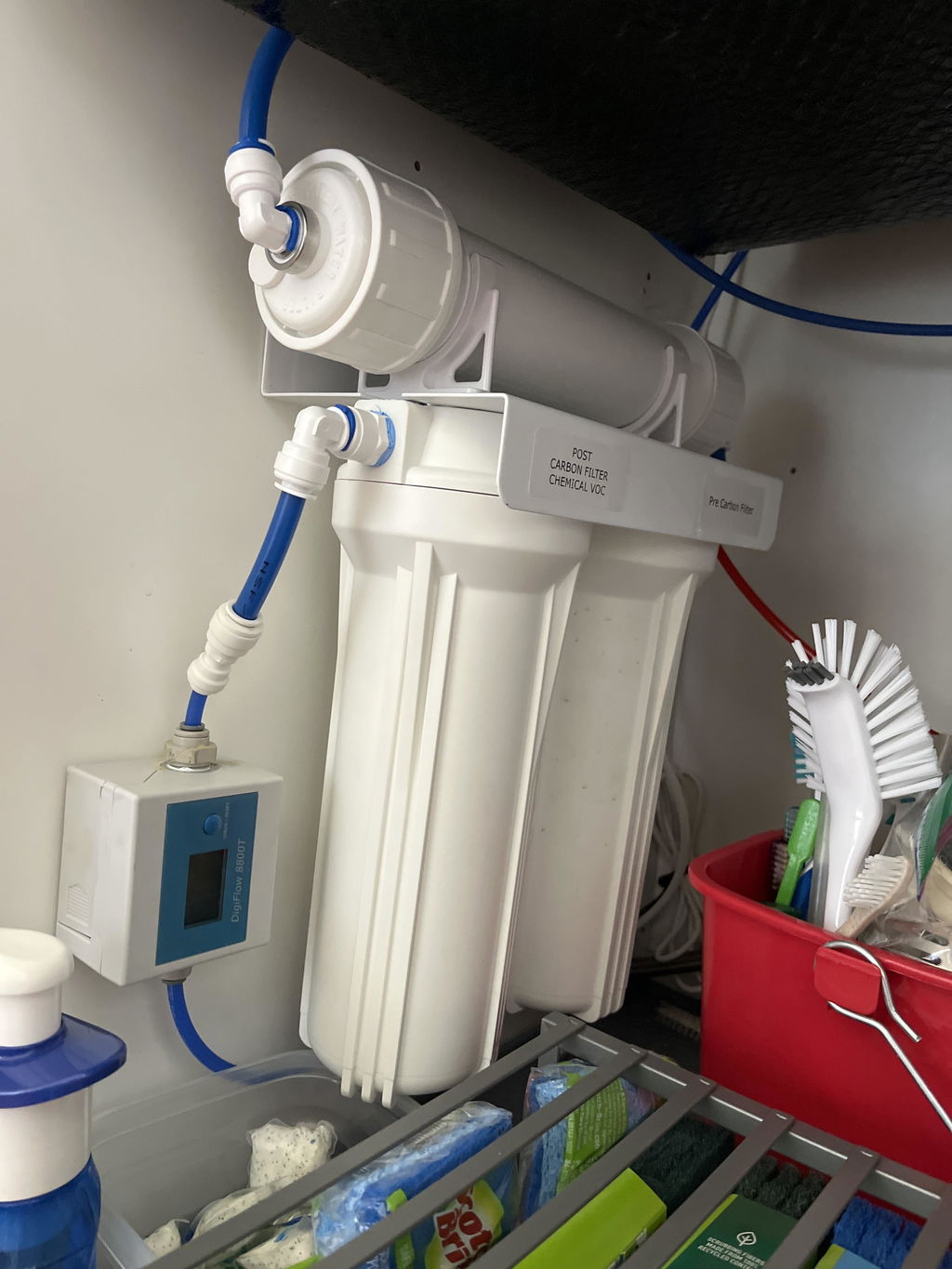
It is a game changer. In the Caribbean, rain water is collected in a cistern. Everyone buys drinking water. Now we can drink cistern water
- 5 stars: 3 (100%)
- 4 stars: 0 (0%)
- 3 stars: 0 (0%)
- 2 stars: 0 (0%)
- 1 star: 0 (0%)
we replaced our under sink water filter with the new PS-PURUF filter. We love how clean and pure the water is, and how much quicker it fills up our water bottles.
It’s everything they said. Great tasting water, no water waste like osmosis systems and output is awesome!
It is a game changer. In the Caribbean, rain water is collected in a cistern. Everyone buys drinking water. Now we can drink cistern water
Frequently Asked Questions
What contaminants does this filter reduce?
Bacteria and viruses, Sediment, Microplastics, Chemicals, Chlorine, Lead, Fluoride, Pesticides, Chloramine, Iron
How long does the filter last?
3 years (membrane) ; 1 year / 2,000 gallons (filters)
Explore More Recommendations
Comparing Your Best Water Treatment Options
| Facet | |||
|---|---|---|---|
| Title | |||
| Title | Ultrafiltration Drinking Water System - Best Alternative to Reverse Osmosis with Excellent Filtration Performance | High Flow 0.2 Micron Under Sink Water Filtration System - Use Existing Faucet | 0.02 Micron Whole House Ultrafiltration System - Removes Bacteria, Viruses & Sediment (Well or City Water) |
| Price | |||
| Price |
From
$376.00
Unit price
/
Unavailable
|
$586.00
Unit price
/
Unavailable
|
From
$1,485.00
Unit price
/
Unavailable
|
| Rating | |||
| Rating |
★★★★★
(3)
| - |
★★★★★
(6)
|
| Type | |||
| Type | System (Drinking Water) | System (Drinking Water), System (Point of Use) | System (Point of Entry) |
| Filtration Process | |||
| Filtration Process
Click for more information about different filtration processes. |
Ultrafiltration
|
Adsorption
|
Ultrafiltration
|
| Type of Filter | |||
| Type of Filter
Click for more information about different types of filters. |
Membrane, Activated Carbon Block
|
Catalytic Carbon
|
Membrane
|
| Micron Rating | |||
| Micron Rating |
0.02 micron ; 0.5 micron
|
0.2 micron
|
0.02 micron
|
| Filter Life | |||
| Filter Life
May vary due to local water conditions, usage, and flow rate. |
3 years (membrane) ; 1 year / 2,000 gallons (filters)
|
2 years / 10,000 gallons
|
5 years
|
| Flow rate | |||
| Flow rate
May vary due to water pressure and whether the filter is clogged. |
1.5 GPM
|
1.7 GPM
|
8 GPM
|
| Contaminants targeted | |||
| Contaminants targeted |
Bacteria and viruses, Sediment, Microplastics, Chemicals, Chlorine, Lead, Fluoride, Pesticides, Chloramine, Iron
|
Lead, Chlorine, Chloramine, Chemicals, Pesticides, PFAS (forever chemicals), Microplastics
|
Bacteria and viruses, Sediment, Microplastics
|
| Housing Material | |||
| Housing Material
The plastic or stainless steel container that encases a water filter cartridge and directs water flow through for filtration. Stainless Steel - More durable, longer life-span, and resistant to higher pressures than plastic housings. |
Plastic
|
Plastic
|
Plastic
|
| Water Source | |||
| Water Source |
Municipal, Well
|
Municipal
|
Municipal, Well
|
| Size | |||
| Size |
15.25" x 15" x 6"
|
17.5″ x 4.5"x 3.75″
|
27″ X 7.75″
|
Fulfilling Your Filtration Priorities